
What the Physical Workplace Environment Teaches Us About Civility
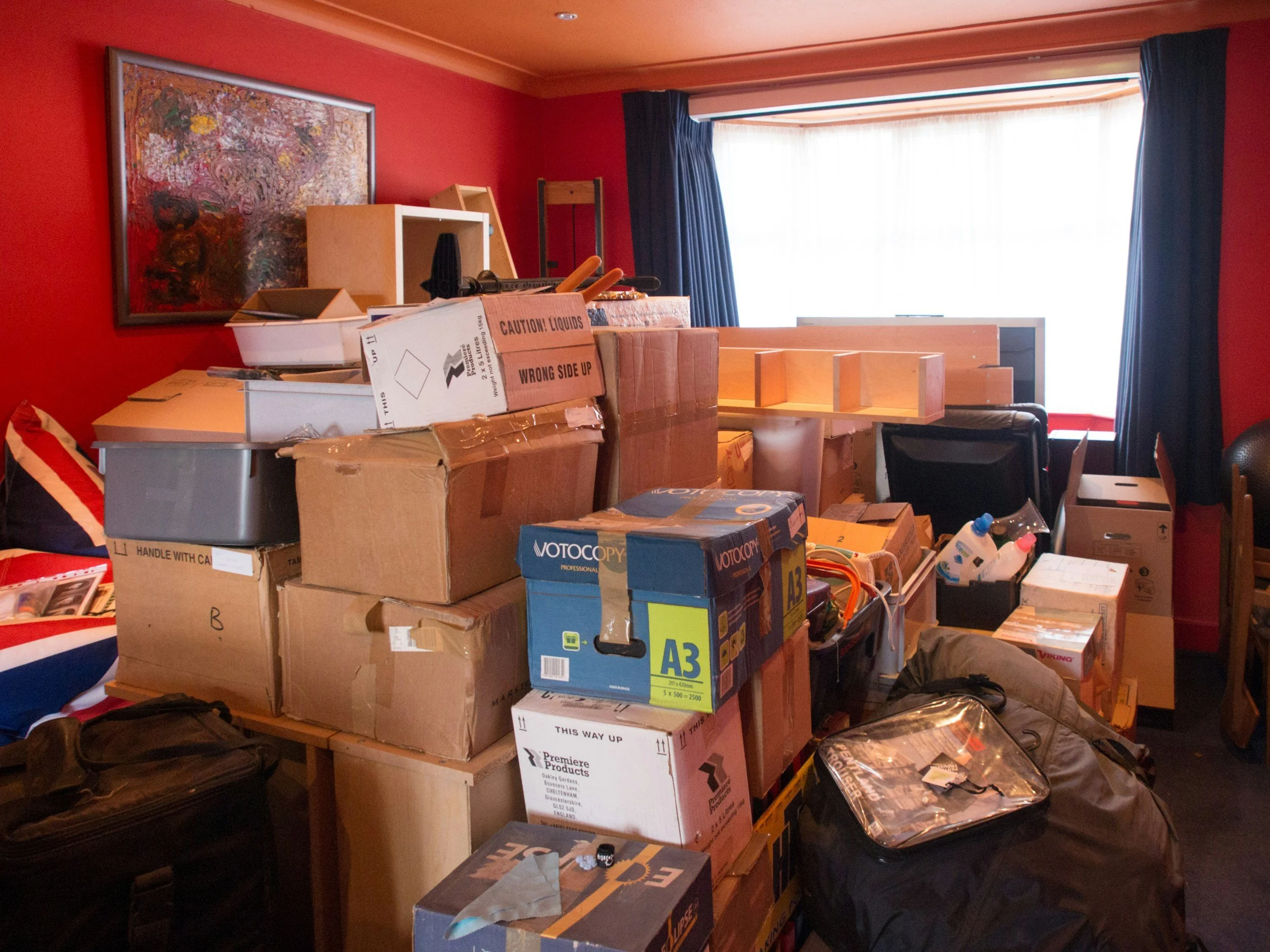
Before a word is spoken, a workplace has already communicated something to the people inside it.
Cracked walls, broken furniture, cluttered corridors, overflowing noticeboards, mismatched signage, and neglected staff areas all send messages, often unintentional, but powerful nonetheless. Over time, these physical cues shape how people feel, behave, and treat one another.
Workplace incivility does not begin with rude behaviour. It often begins with environments that feel unloved.
The Silent Messages of Unloved Spaces
Physical environments act as a form of social instruction. When a workplace looks uncared for, it quietly communicates:
“This space doesn’t matter.”
“The people who use it aren’t a priority.”
“Standards here are negotiable.”
“No one is really paying attention.”
These messages are absorbed daily, often unconsciously. When people work in environments that feel disregarded, it becomes harder to sustain pride, patience, and mutual respect.
Clutter as Cognitive and Emotional Noise
Cluttered environments do more than look untidy, they create cognitive overload. Piles of paper, outdated posters, overcrowded desks, and poorly organised shared spaces increase mental fatigue and reduce emotional regulation.
When people are already working under pressure, clutter becomes another stressor. Irritability increases. Tolerance decreases. Small frustrations escalate more quickly. In these conditions, incivility becomes more likely, not because people are unkind, but because their capacity is depleted.
Broken Things Signal Broken Care
A chair that never gets fixed. A staff room with peeling paint. Equipment that “everyone knows” doesn’t work properly.
These are not neutral details. They signal neglect, and neglect has relational consequences. When organisations fail to care for the physical environment, staff may unconsciously mirror that lack of care in how they interact with each other.
It becomes easier to snap, to withdraw, to stop going the extra mile. Not out of malice, but out of learned disengagement.
The Impact on Dignity and Respect
Physical environments are deeply tied to dignity. Clean, well-maintained, thoughtfully designed spaces communicate respect for the people who occupy them.
Conversely, neglected environments can erode a sense of worth, particularly in sectors like care, where staff already face emotional labour, time pressure, and societal undervaluation. When staff spaces are the most run-down areas of a building, the message is clear: your comfort comes last.
Incivility thrives where dignity is quietly undermined.
Staff Areas Matter More Than We Think
Staff rooms, changing areas, offices, and shared workspaces are not luxuries. They are recovery spaces. When these areas are cluttered, broken, or treated as an afterthought, staff lose opportunities to reset emotionally.
Without places to pause, decompress, or feel human, stress spills into interactions. Civility requires margin, and the physical environment either provides that margin or strips it away.
Order, Care, and Psychological Safety
Well-kept environments do not need to be expensive or perfect. What matters is visible care and consistency. Small actions, fixing what’s broken, reducing clutter, refreshing noticeboards, involving staff in how spaces are used, signal that standards matter.
These signals support psychological safety. They say:
“We notice.”
“We care.”
“You belong here.”
In such environments, respectful behaviour is easier to sustain and easier to protect.
Reframing Civility as Environmental Design
If we want to address workplace incivility, we must stop treating it solely as a behavioural issue. Civility is shaped by context, and the physical environment is a powerful part of that context.
Unloved spaces breed disengagement. Thoughtful spaces invite respect.
The question is not simply how do we expect people to behave here?
It is also what does this environment teach them, every single day, about how much they matter?
When workplaces begin to answer that question honestly, the path toward genuine civility becomes much clearer.